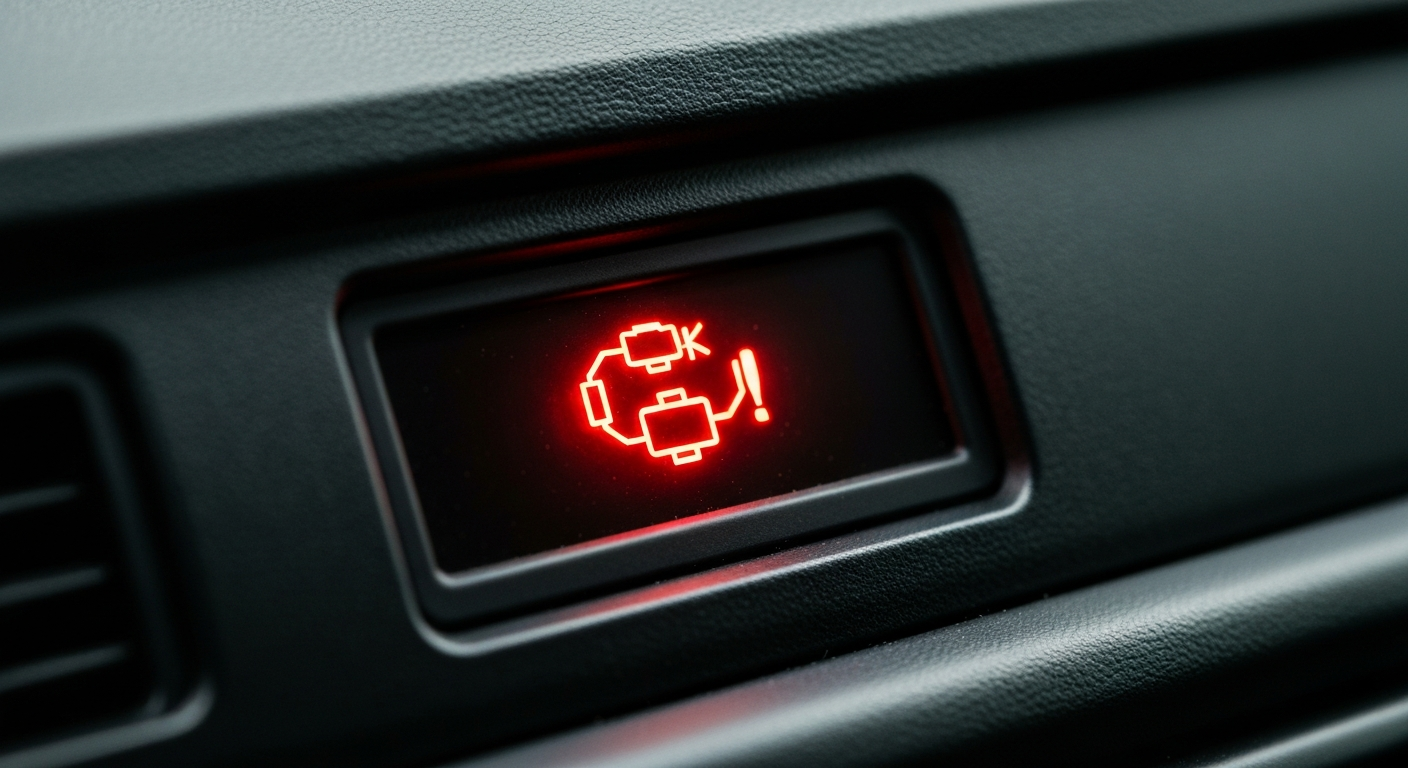
Is a dashboard warning light causing you stress? We break down the most common auto electrical faults, what those warning lights actually mean, and when to call a Sydney auto electrician.
Table of Contents
1. Introduction: Don't Ignore the Lights
Modern vehicles are incredibly smart. They are equipped with dozens of sensors and complex electronic control units (ECUs) that constantly monitor the health of your engine, transmission, brakes, and electrical systems. When something goes wrong, the vehicle communicates with you the only way it can: by illuminating a warning light on your dashboard.
Unfortunately, many drivers ignore these lights, hoping the problem will simply go away. This is a dangerous and often expensive mistake. Ignoring a warning light can turn a minor sensor issue into a catastrophic engine failure. In this guide, we will decode the most common dashboard warning lights and explain why consulting a professional auto electrician in Sydney is the smartest move you can make.
2. The Check Engine Light (CEL)
The Check Engine Light is perhaps the most dreaded and misunderstood symbol on the dashboard. It usually looks like a stylized engine block. The problem with the CEL is that it is a catch-all warning; it can indicate something as minor as a loose petrol cap, or something as severe as an impending engine misfire.
Common triggers for the Check Engine Light include:
- Faulty Oxygen (O2) Sensor: This sensor measures the amount of unburned oxygen in your exhaust. A faulty sensor can severely reduce your fuel economy and damage your catalytic converter.
- Mass Airflow Sensor (MAF) Failure: The MAF determines how much air is entering the engine to calculate the correct fuel mixture. A bad MAF can cause stalling and rough idling.
- Spark Plug or Ignition Coil Issues: Worn out ignition components can cause the engine to misfire, leading to a flashing Check Engine Light. A flashing light indicates a critical issue that requires immediate attention to prevent catalytic converter damage.
3. The Battery Charge Warning Light
This light looks like a small battery with a plus and minus symbol. A common misconception is that this light means the battery is dead. While a failing battery can trigger it, the light actually indicates an issue with the vehicle's charging system.
When the engine is running, the alternator should be generating enough electricity to power the vehicle's electrical systems and recharge the battery. If the battery light comes on while driving, it means the alternator is failing to charge the system, and your car is running solely on battery power.
If you see this light, turn off all non-essential electrical accessories (radio, air conditioning, heated seats) and drive immediately to an auto electrician. If you ignore it, the battery will eventually drain completely, and the engine will stall, potentially leaving you stranded in dangerous traffic.
"A flashing Check Engine Light is an automotive emergency. It indicates a severe engine misfire that is dumping unburned fuel into the exhaust, which can destroy your catalytic converter in minutes."
4. ABS and Traction Control Lights
The Anti-lock Braking System (ABS) prevents your wheels from locking up during heavy braking, allowing you to maintain steering control. If the ABS light illuminates, it means the system has detected a fault and has disabled the anti-lock feature. Your normal brakes will still work, but you will not have the safety net of ABS in an emergency stop.
This is primarily an auto electrical issue. The most common cause is a faulty wheel speed sensor or a damaged wiring harness leading to the sensor. Because the Traction Control system relies on the same wheel speed sensors, you will often see the Traction Control light illuminate at the same time as the ABS light.
5. Oil Pressure Warning Light
This light, which looks like an old-fashioned oil can, is arguably the most critical warning on your dashboard. It does not mean your oil is necessarily low (though that can cause it); it means your engine has lost oil pressure.
Without oil pressure, the rapidly moving metal components inside your engine are no longer lubricated. If you continue to drive with this light on, the engine will destroy itself within minutes. If this light illuminates, pull over safely and turn the engine off immediately. Have the vehicle towed to a trusted mechanic.
6. Engine Temperature Warning
The temperature warning light looks like a thermometer dipped in liquid. It indicates that the engine coolant temperature has exceeded safe limits and the engine is overheating.
Overheating can be caused by a mechanical failure, such as a blown radiator hose or a stuck thermostat. However, it can also be an electrical fault, such as a failed electric cooling fan, a blown fan relay, or a faulty coolant temperature sensor providing incorrect readings to the ECU. Continuing to drive an overheating car can warp the cylinder head and cause catastrophic engine failure.
7. Common Hidden Auto Electrical Faults
Not all auto electrical problems trigger a warning light. Some issues are subtle but equally frustrating. Common hidden faults include:
- Parasitic Battery Drains: If your car battery keeps dying overnight, you likely have a parasitic drain. This means an electrical component (like a faulty module, a stuck relay, or an aftermarket alarm) is drawing power even when the car is turned off.
- Intermittent Starting Issues: If the car sometimes clicks but doesn't crank, it could be a failing starter motor, a corroded ground wire, or a faulty ignition switch.
- Flickering Lights and erratic gauges: These are classic signs of a failing alternator or a poor grounding connection within the vehicle's wiring harness.
8. Conclusion: Professional Diagnostics Matter
Modern auto electrical systems are too complex for guesswork. Replacing parts based on a hunch is a fast way to waste money. When a warning light illuminates or you experience electrical gremlins, you need a professional with the right diagnostic equipment to pinpoint the exact cause.
At DG Auto Electrical & Mechanical, we specialise in complex electrical fault finding. With nearly 20 years of experience, we have the dealership-level scan tools and the hands-on expertise to diagnose and repair any electrical issue, getting you back on the road safely.
Need an Auto Electrician in Sydney?
Get a free, no-obligation quote from DG Auto Electrical & Mechanical today. 20 years of experience across all makes and models, specialising in European vehicles and complex auto electrical diagnostics.
GET A FREE QUOTE